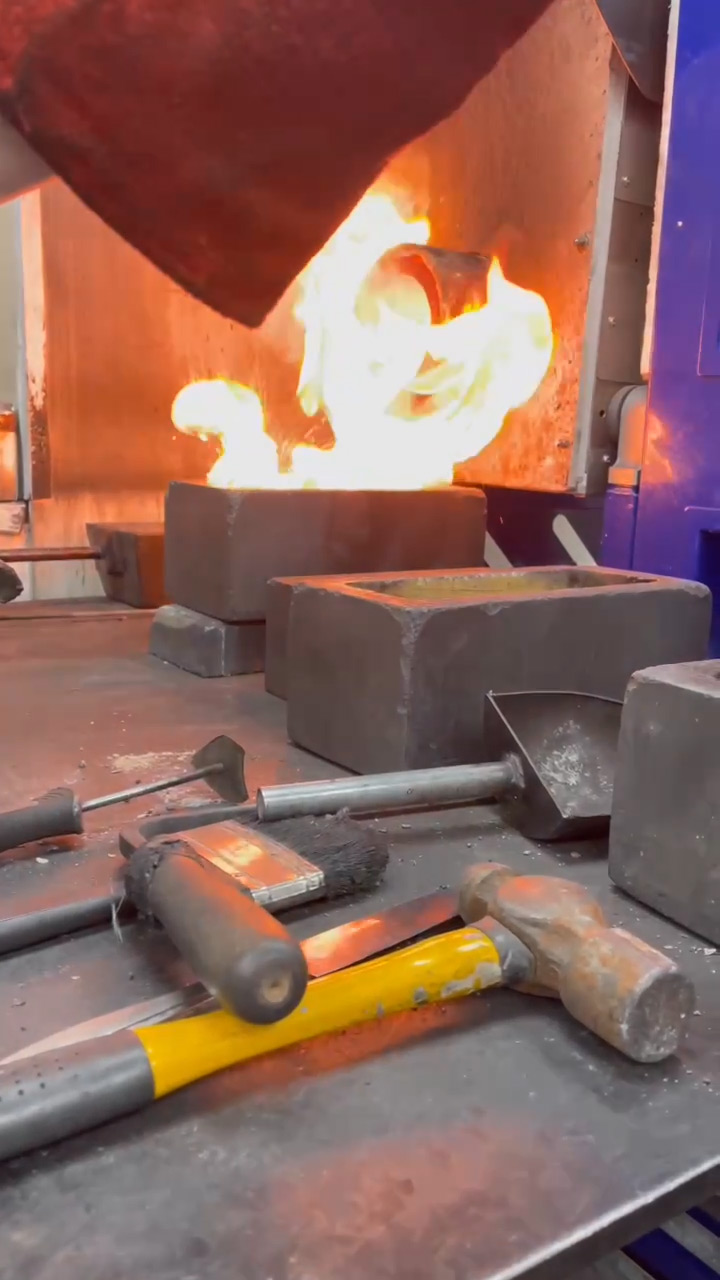
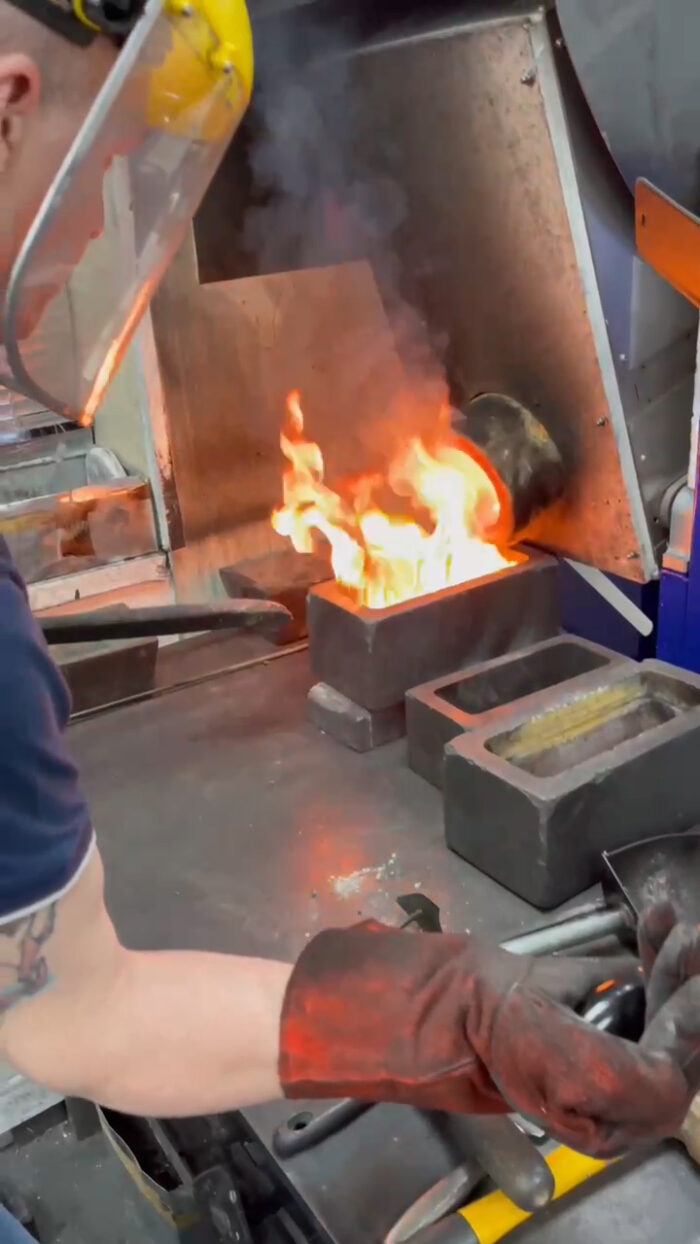
Smelting and melting gold are two different processes that involve heat to transform raw ore into precious metal. Smelting involves using a blast furnace to melt the ore, then adding fluxes such as lime or silica sand to separate and remove impurities. Impurities, including other metals, are then drawn off in the form of slag and discarded. The pure gold is then cast into bars, coins or jewellery. Gold has been smelted since 6000 BC, starting with the Babylonians in what is now Syria. Although the process has become more advanced, the basic principles of gold smelting have remained the same.
Melting Gold: Techniques and Uses
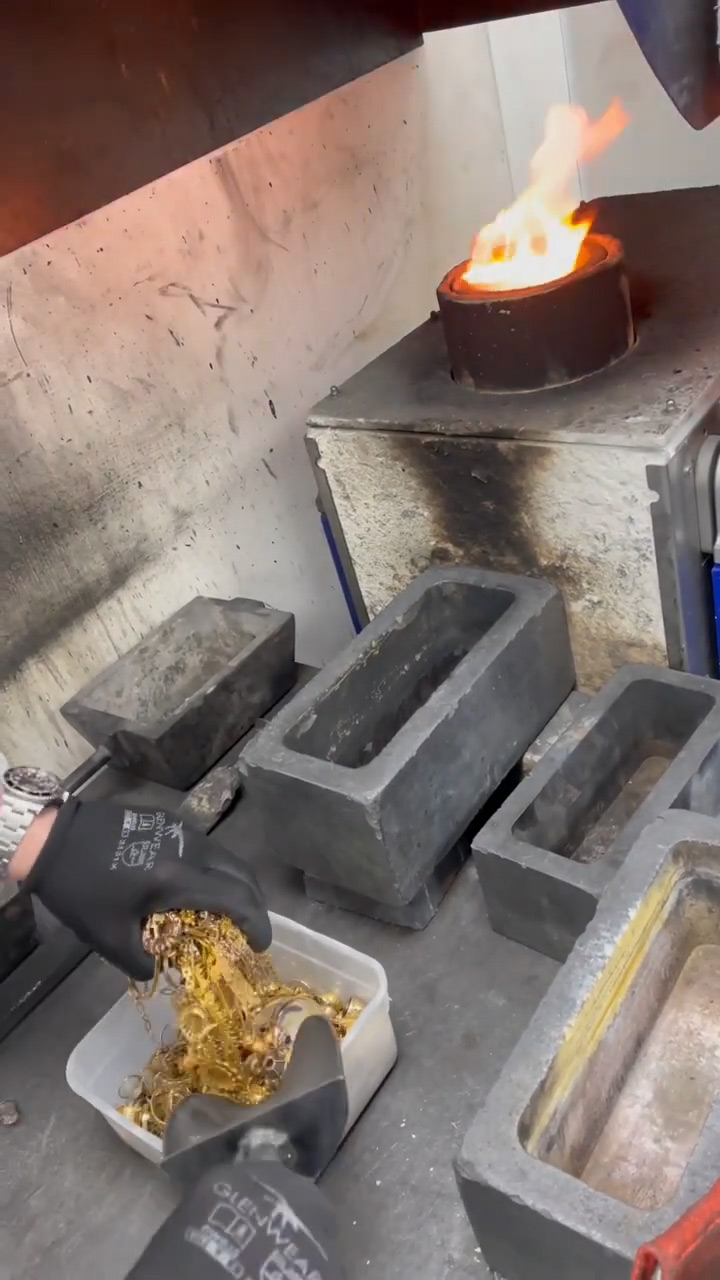
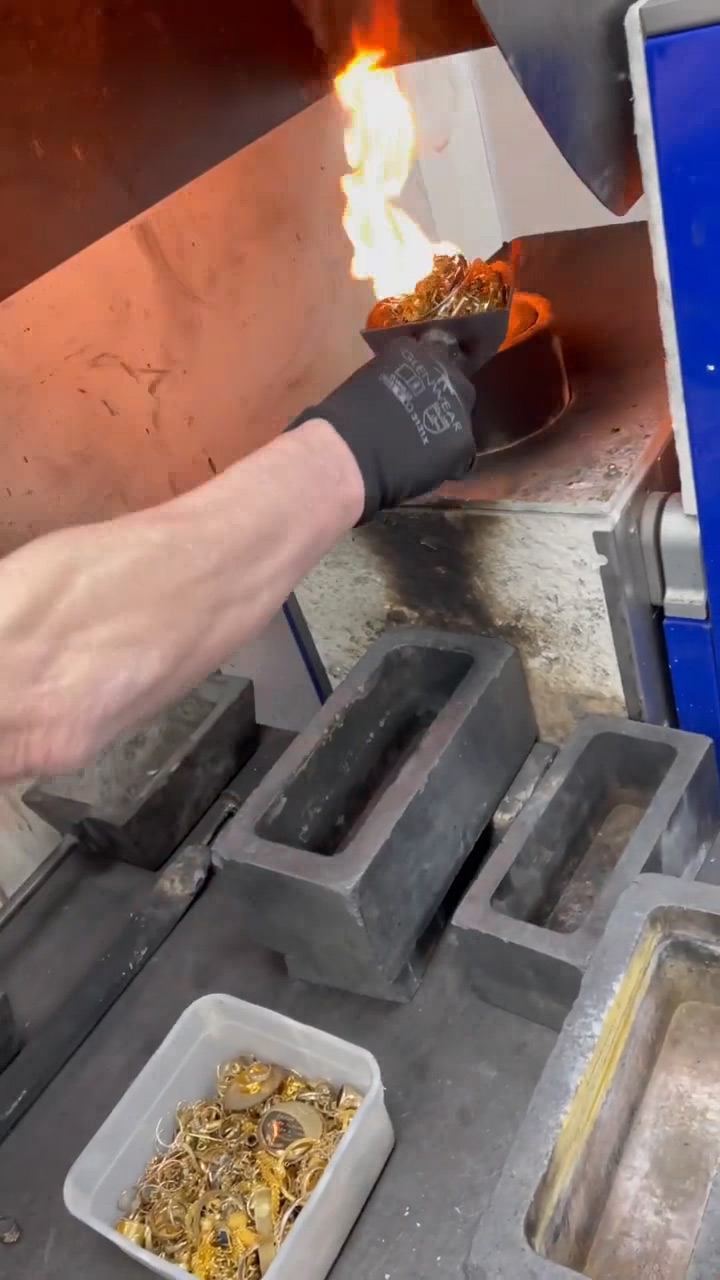
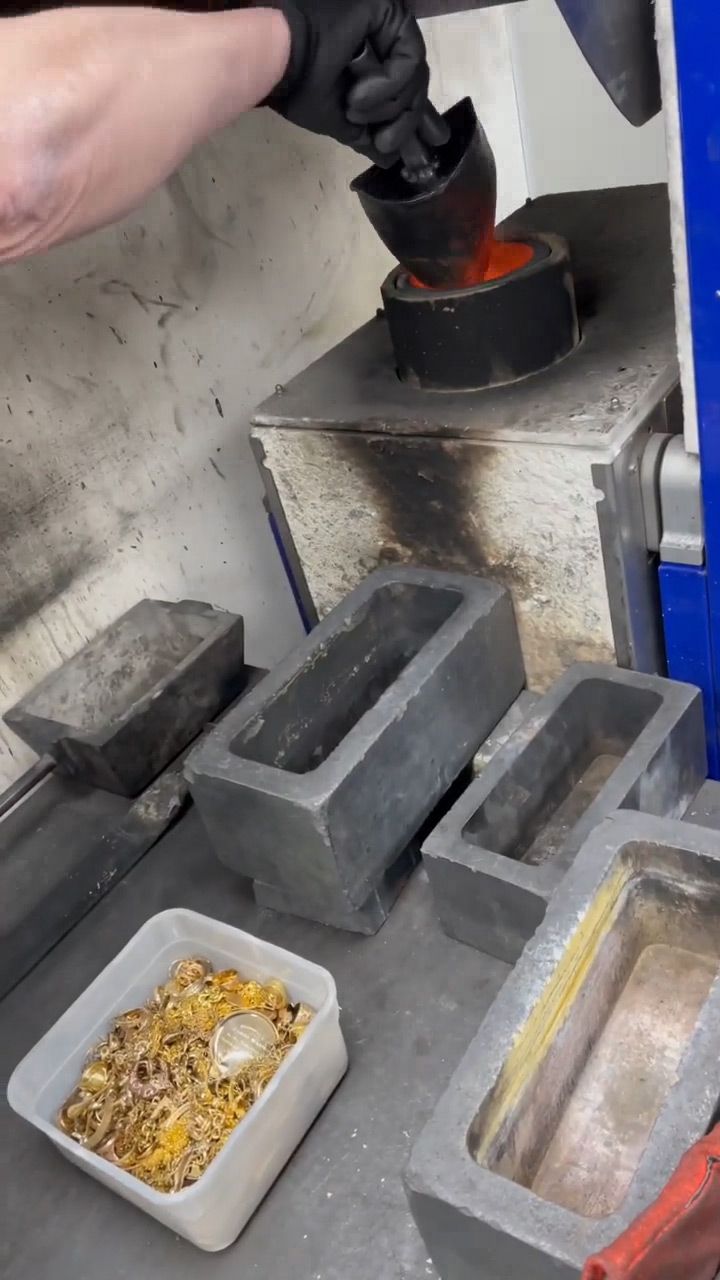
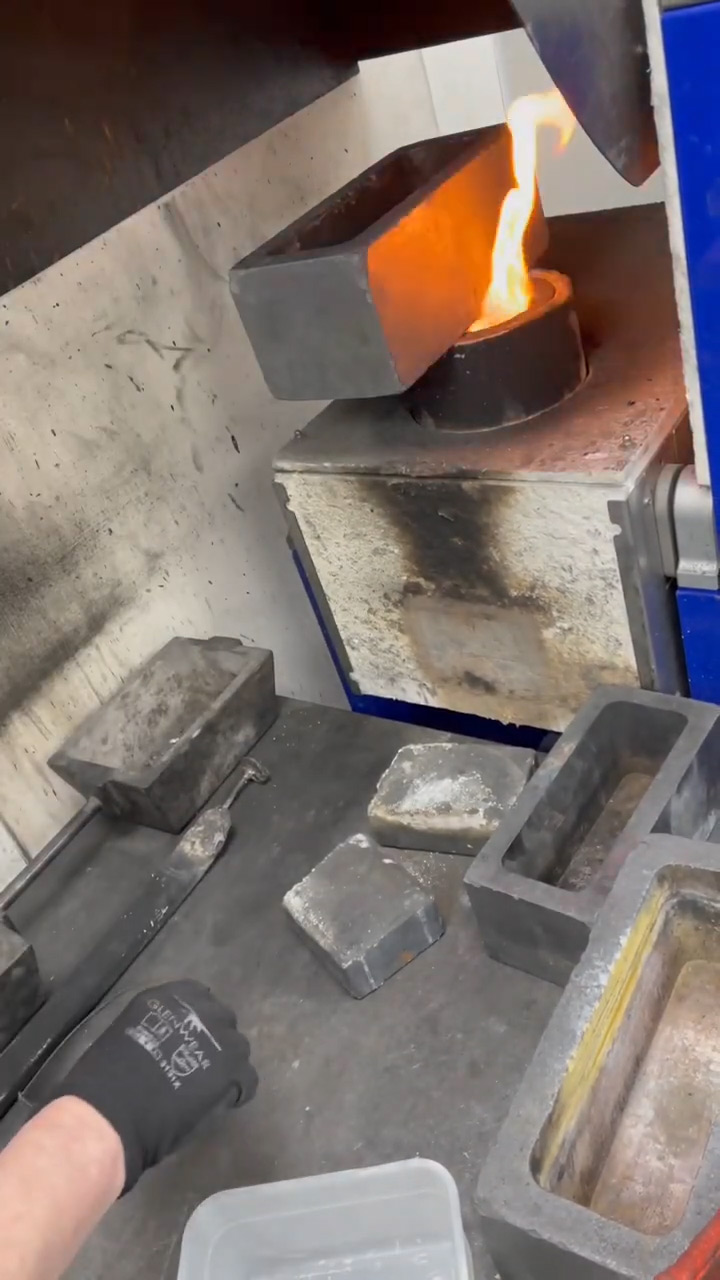
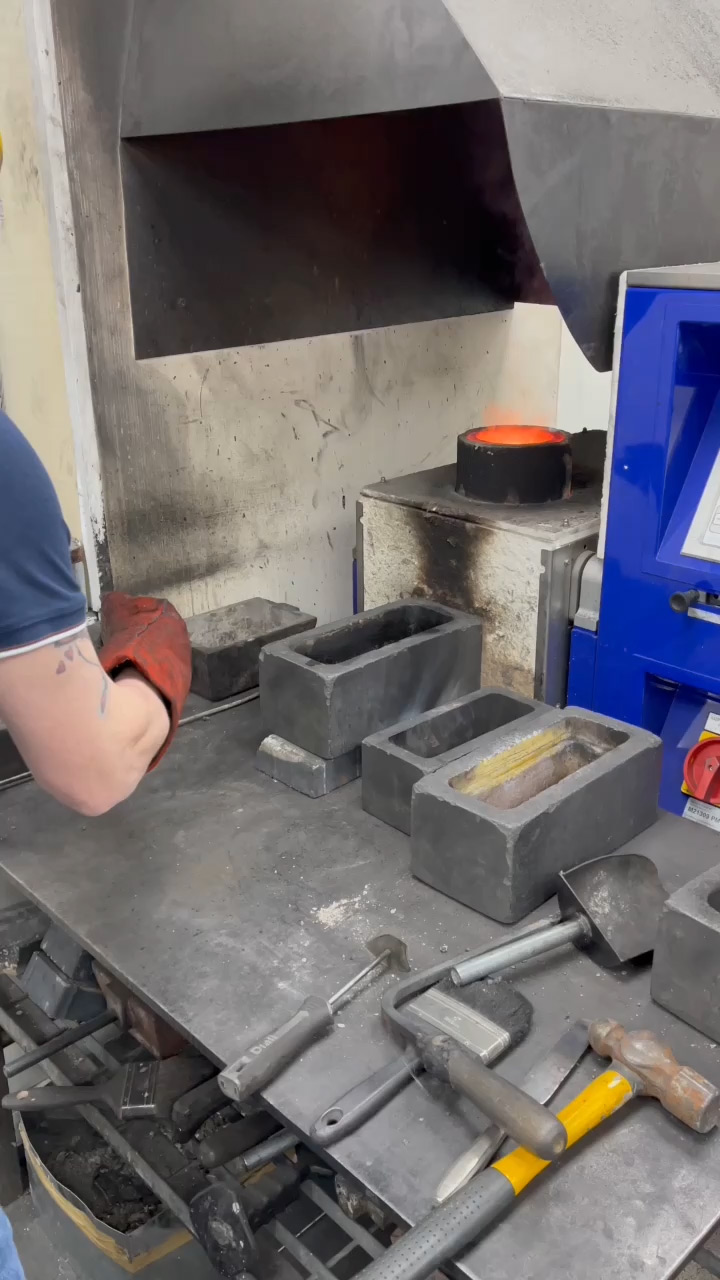
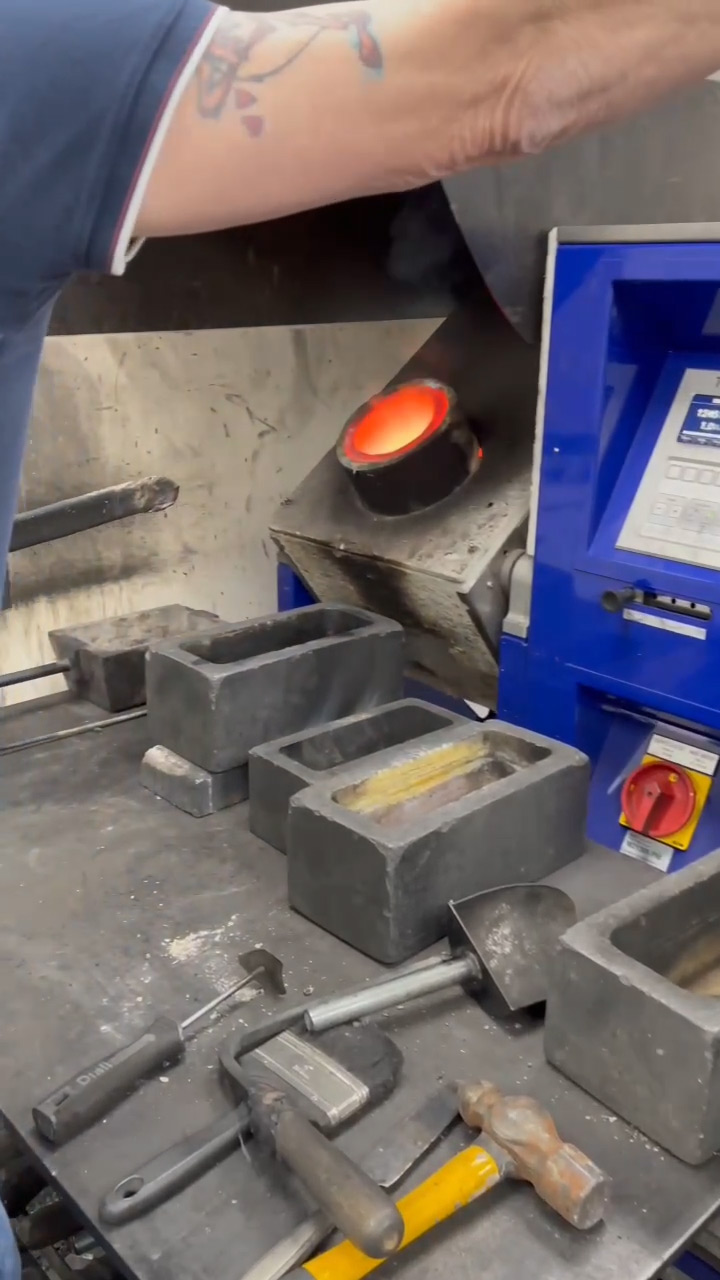
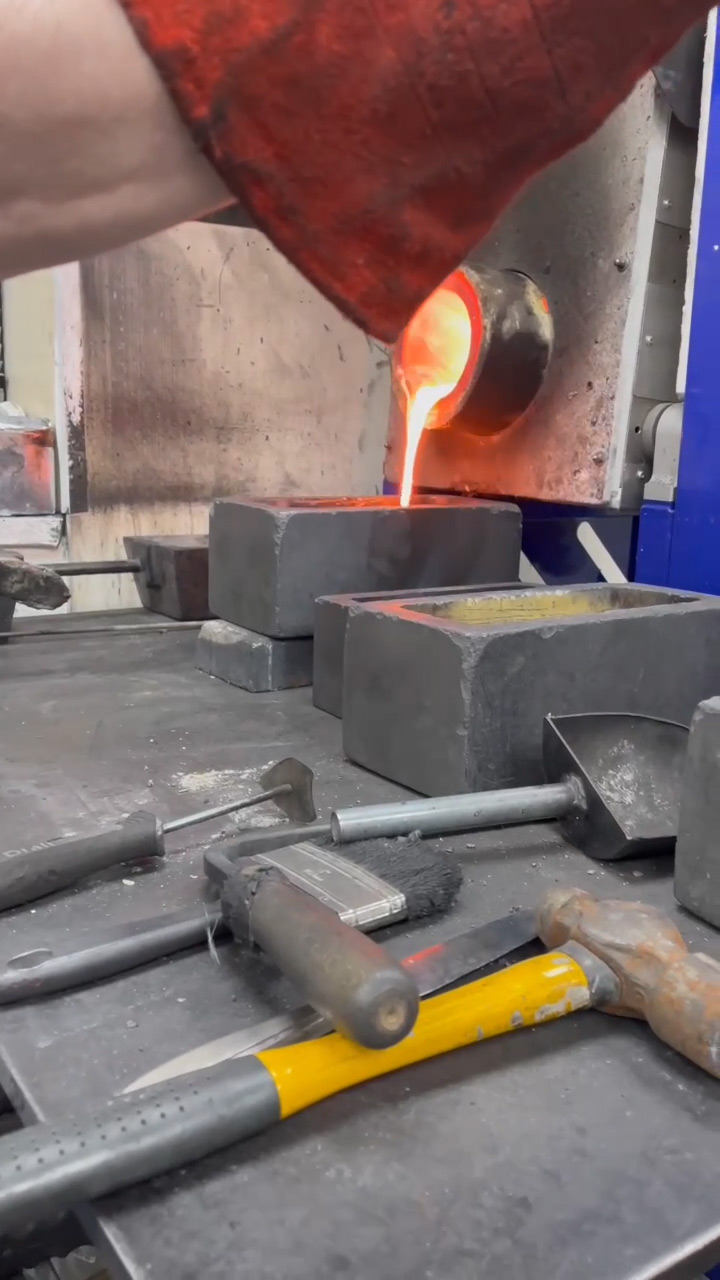
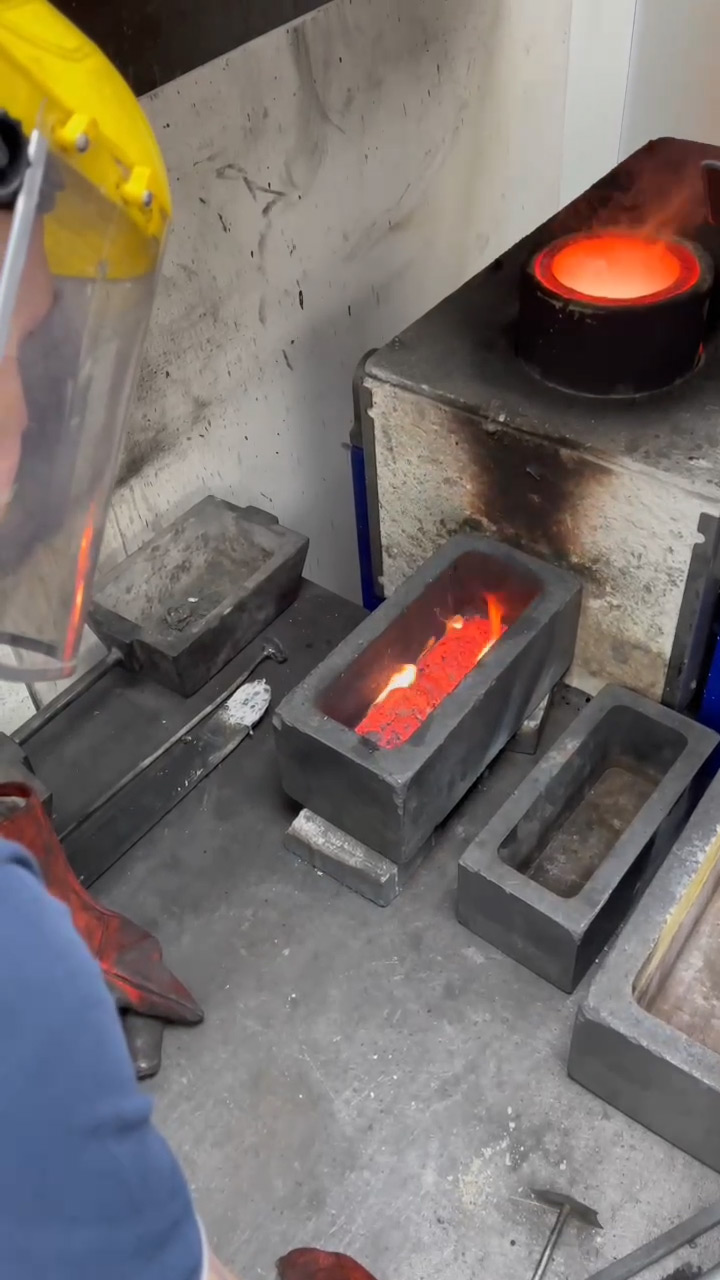
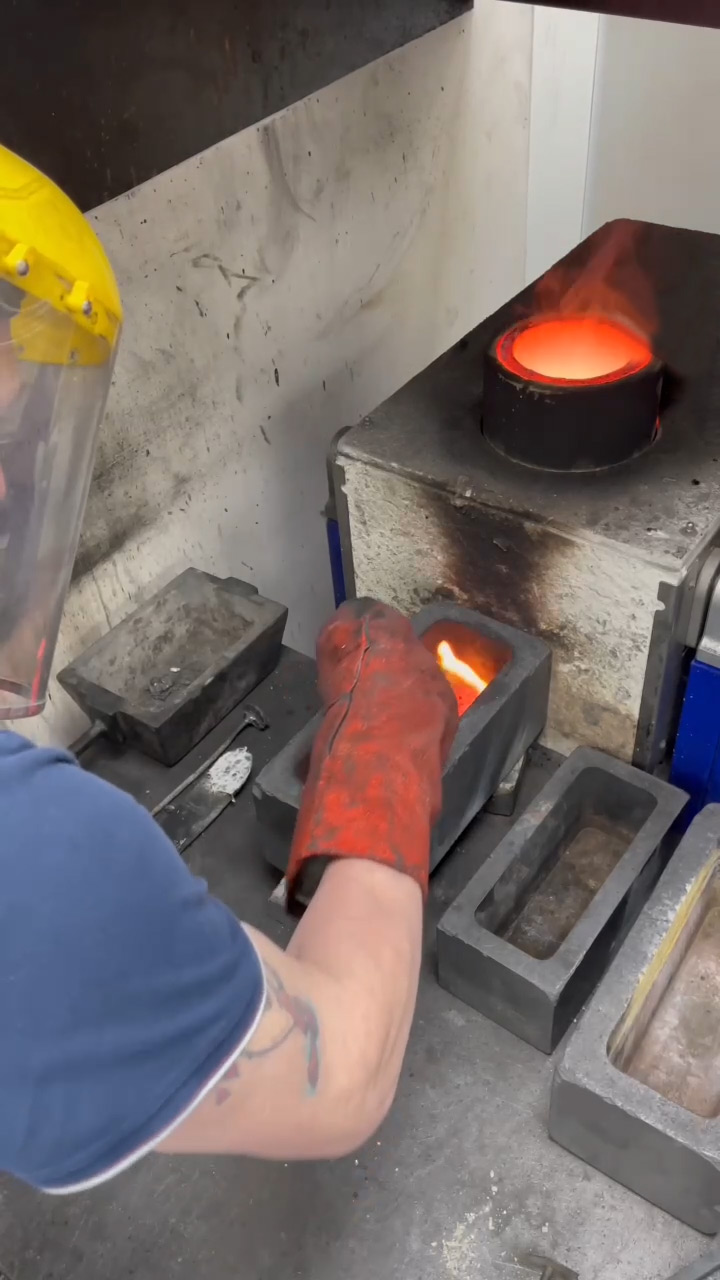
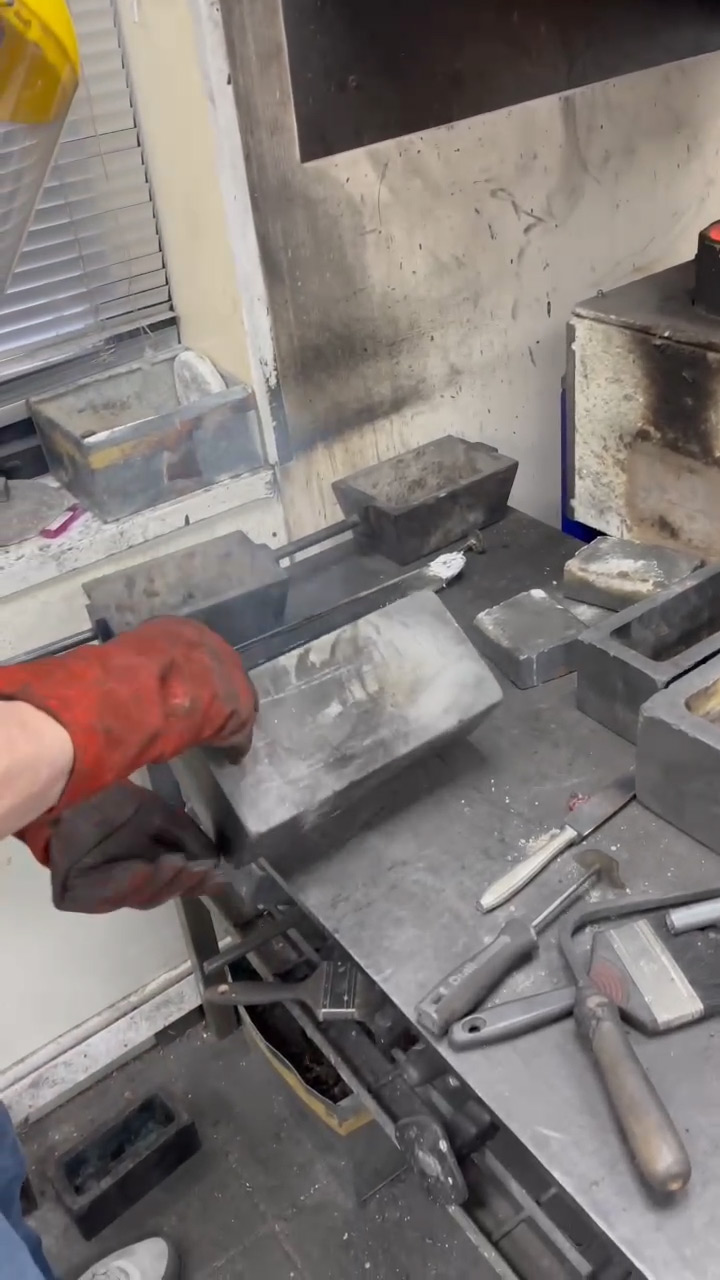
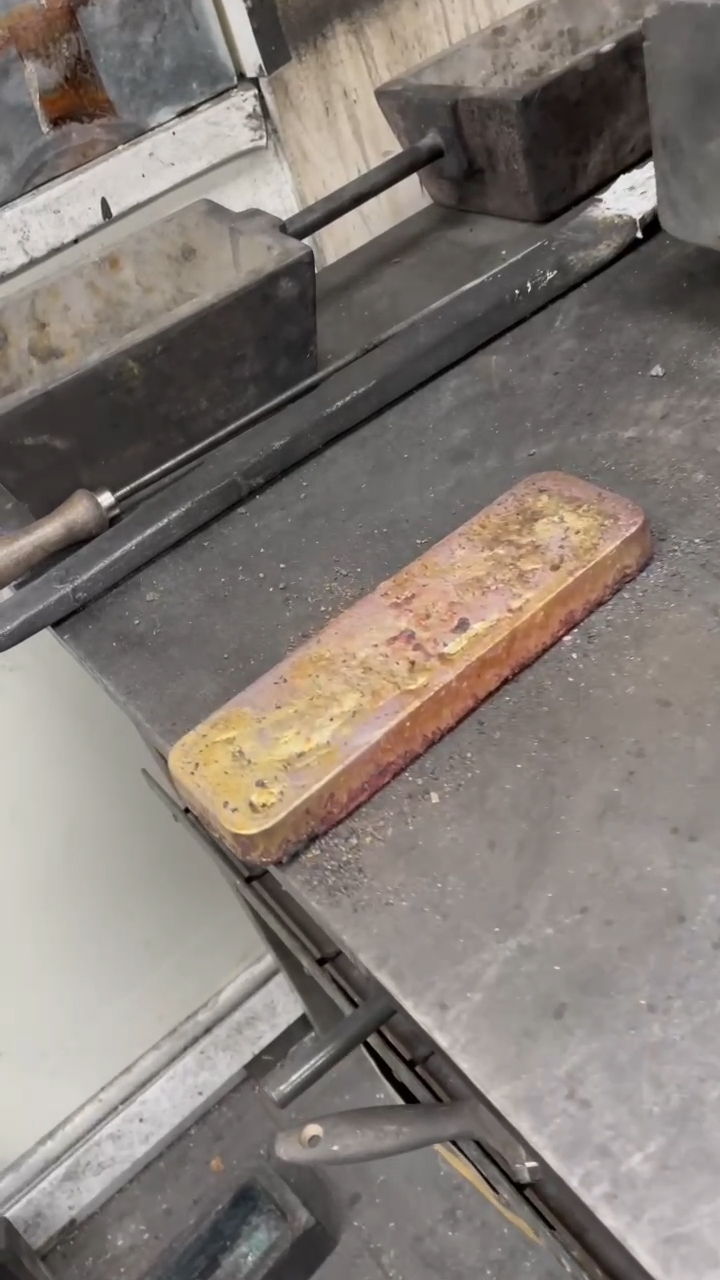
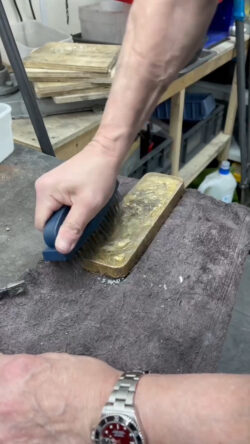
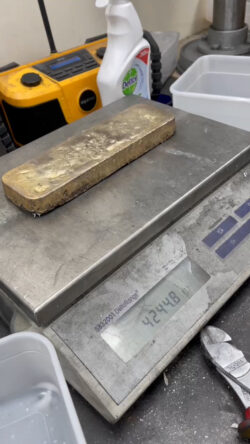
Melting gold usually takes place in either a large induction furnace or a small crucible over an open flame. This process just melts the gold to its liquid form without removing any impurities, so it’s only suitable for working with scraps or previously refined gold that has no other metals mixed in. This process is often used for casting jewellery and other objects from gold. Both processes create a usable form of gold that can be crafted into items such as coins or jewellery, though smelting provides a much purer form of the precious metal. As each process serves a different purpose. At Lois Bullion we do all our melting in-house, our master melter uses a state-of-the-art induction furnace to produce all gold and silver bars. We offer our Melt + Assay service where customers can have their gold melted into a bar to ascertain the accurate weight and purity of their scrap gold or silver.
Refining Gold: High-Temperature and Chemical Methods
Refining gold with high temperatures involves the use of a furnace to melt the raw ore into a liquid form. The molten gold is then heated further, often to around 1150 degrees Celsius, and this process purifies it by removing impurities such as sulfides, oxides, and other metals that may have been mixed in with the ore.
Refining gold using chemicals is a process that is often used to purify gold from ore and other materials. This method has been popular for centuries and involves several steps. The most common chemical used to refine gold is aqua regia, a mixture of hydrochloric acid and nitric acid in equal proportions.
Electrolysis: An Efficient Method for Gold Refining
Gold refining through electrolysis involves the use of an electrolytic cell, which is composed of two electrodes. One electrode called the anode, is made from pure gold. The other electrode, known as the cathode, is made from a different material such as titanium or graphite. This cell is filled with an electrolyte solution that contains a low concentration of gold. When electricity is applied to the electrodes, pure gold is separated from the impurities in the solution and deposited onto the anode. This process can purify large quantities of gold in a relatively short amount of time.
Our Gold Melting and Assay Services at Lois Bullion
Lois Bullion offers a service to melt and assay your gold if needed. We have our master melter and a furnace on site that can melt up to 10kg of gold or silver per bar. If you choose this service, you are welcome to observe the melting process. Once our master melter has melted the gold or silver the bar will be weighed and drilled. The drilling will then be assayed on one of our XRF analysers to ascertain the purity. If you need an independent analysis of your drilling, we can send it for an independent assay result. With the weight and the assay, we are then able to provide you with a value of your metal. Once we agree on the price, we can make an instant payment.
Contact Lois Bullion for Expert Gold Refining Services
Our expert team is on hand to answer any of your questions, you can contact us at 0121 212 1715 or email us on sales@lois-bullion.com
Card title
Some quick example text to build on the card title and make up the bulk of the card’s content.
Located near Birmingham city centre in the renowned Jewellery Quarter, our precious metals shop is one of the UK's largest and most trusted buyers and sellers of gold, silver, platinum, palladium, bars, and coins.
Our Gold Shop Hours
Monday
09:00
-
17:00
Tuesday
09:00
-
17:00
Wednesday
09:00
-
17:00
Thursday
09:00
-
17:00
Friday
09:00
-
17:00
Saturday
09:30
-
14:30
Sunday
Closed
We are
Our knowledgeable team is ready to assist you during these hours, offering expert advice and guidance on all aspects of precious metals trading.
Birmingham Gold Shop
Explore the Lois Bullion store using the interactive map
Free Parking on-site
Unlike most bullion shops in Birmingham, we offer our customers free car parking for the duration of their visit to the store. Parking can be accessed to the left of the store, just before Subway.
Stay Connected
Best Prices Paid In the UKthe MidlandsBirminghamthe Jewellery Quarterthe City CentreHockleyKings HeathSolihullTyseleyCoventryDerbyWolverhamptonLondonHatton GardenManchesterLiverpoolSheffieldNottinghamEdinburghEssexLeedsBristolLeicesterReadingSurreyTeessideBrightonWalesScotlandIsle of LewisIsle of Wight!
We buy gold, silver & jewellery! At Lois Bullion, we transform your scrap into cash. With the best prices paid in the UK, it's time to dust off those old treasures and give them a new lease on life.
Simply order a FREE seller pack from our website www.lois-bullion.com. It includes a pre-paid insured envelope for up to £2,500 and step-by-step instructions to send your items securely to us.
We've already disbursed over £180 million to our happy clients, and your precious items could be next in line for a generous payout.